

The Best Time to Rent a Boat in Miami: Month by Month
Mariam Revuelta
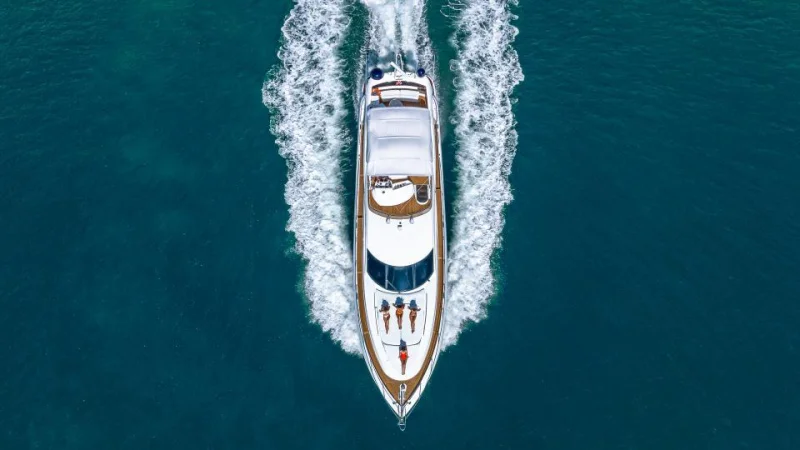
May and October are the two best months to be on the water here. Warm, quieter, and priced below the December-to-April peak. That said, every month works with the right plan. Here's the year broken down by weather, crowds and price, plus the weeks that sell out first.
Key Takeaways
Peak season runs December through April. Book four to six weeks ahead for weekends.
May and October are the value months, with peak-season weather and shoulder pricing.
Summer mornings give the calmest water of the year.
Hurricane season runs June through November, and operators reschedule rather than cancel.
Boat show week, spring break, the Fourth and New Year's Eve all sell out early.
The Short Answer
May and October offer the best mix of warm weather, calm water, and lower prices. December through April bring the most reliable conditions and the highest demand. Summer mornings are the calmest water of the year. Any month works if you book the right time of day.
Month by Month at a Glance
Month | Feel | Crowds | Price | Notes |
|---|---|---|---|---|
January | Warm days, cool evenings | High | Peak | Reliable conditions |
February | Warm, breezy | High | Peak | Boat show week sells out |
March | Warm, busy | Very high | Peak | Spring break |
April | Warm, settling | High | Peak | Last of peak season |
May | Hot, calm | Moderate | Value | Best all-round month |
June | Hot, humid | Moderate | Value | Afternoon storms begin |
July | Hot | High | Mixed | Fourth of July sells out |
August | Hottest | Low | Lowest | Calm mornings, quiet water |
September | Hot, wet | Low | Lowest | Peak hurricane activity |
October | Warm, settling | Low | Value | Best value month |
November | Warm, pleasant | Moderate | Rising | Season starts, Art Basel late |
December | Warm days, cool nights | High | Peak | New Year's Eve sells out first |
Two patterns run through that table. Price tracks demand rather than weather, which is why August has lovely mornings and the lowest rates of the year. And crowds and price move together, so the quiet months are also the cheap ones.
Peak Season: The Busy Window
December through April is when demand is highest and prices follow. The weather earns it. Warm days, low humidity, reliable conditions, and very little rain.
What that means practically is that the cheaper boats disappear from Saturdays first. By the time a late booker looks, the remaining inventory is the expensive end of the fleet. Book four to six weeks out for weekends in this window.
Peak season also brings more wind than people expect. Cold fronts pass through every week or two, and the day or two behind one can be choppy. The weather is still excellent, it's just worth checking the forecast rather than assuming January means flat water.
Shoulder Months: The Value Window
May and October are the quiet secret. Water temperature is lovely, the days are long, conditions are settled, and weekend availability is far better.
You get most of the peak-season experience with more choice and less pressure on the calendar. If your date is flexible at all, aim here first. October in particular tends to be the best-value month of the year.
Water temperature is the other argument for these months. May through October is warm enough that nobody hesitates on the swim ladder, while January water is swimmable but brisk enough that half the group stays aboard.
Summer: Heat, Storms and Afternoon Timing
June through September is hot and humid, with a fairly predictable afternoon storm pattern. Cells build inland, roll through, and clear within an hour.
The trick is timing. Morning departures dodge nearly all of it, and the water is calmest then anyway. August and September are the quietest and cheapest months on the calendar, which surprises people who assume summer is peak season here. Our post on June specifically covers that month in more detail.
Hurricane Season: What It Actually Means for a Booking
The Atlantic hurricane season, according to NOAA's National Hurricane Center, runs from 1 June to 30 November, with activity concentrated from mid-August through October. That sounds alarming and rarely affects a day charter.
Systems are tracked for days before they arrive, so nothing appears without warning. When one approaches, operators reschedule rather than cancel, and your listing's weather policy sets out the reschedule, credit, or refund. Travel insurance is worth considering if you're flying in for a specific date.
One practical note for summer bookings. Storms build in the afternoon and clear quickly, so a captain may shift your route rather than cancel. Staying in the bay instead of running north keeps you close to shelter.
When the Water Is Calmest
Early morning, almost every day of the year. Wind builds through the day as the land heats up, so glass-flat water at eight in the morning becomes a light chop by two in the afternoon.
Seasonally, summer mornings are the calmest of the year. Winter brings more wind on the back of passing fronts, which is why a January afternoon can be bumpier than an August one despite the better weather. If anyone in your group is prone to motion sickness, book a morning and check the marine forecast the day before.
Sea state is the term to look for in a forecast, and it matters more than wind speed alone. Anything under two feet feels comfortable to most guests. Three feet and above is when people who don't boat often start to notice.
Event Weeks That Sell Out
Week | When | Book by |
|---|---|---|
Boat show week | February | 3 months ahead |
Spring break | March | 2 to 3 months ahead |
Memorial Day weekend | Late May | 2 months ahead |
Fourth of July | July | 2 to 3 months ahead |
Art Basel | Early December | 3 months ahead |
New Year's Eve | 31 December | 3 to 4 months ahead |
These dates behave differently from ordinary weekends. Availability tightens first and pricing follows. Both the Fourth of July page and the New Year's Eve page fill months out.
How Far Ahead Should You Book?
Four to six weeks covers an ordinary weekend, and one to two weeks can work for a small group on a weekday. Groups over 40 want six to eight weeks.
Peak season tightens all of that, and named event weeks need two to four months. Booking early buys more than availability. It gets you the pick of departure marinas, which decides how much of your day goes on driving, and it secures the boats with two heads before someone else takes them.
If your date is fixed and your boat is not, book early. If your boat is fixed and your date is not, midweek in a shoulder month gets you the most for the money.
Holiday weekends also change the water itself. The Fourth of July puts hundreds of extra boats on the bay, and anchoring for fireworks needs an early arrival. Fun, but not the day to book if you wanted quiet.
Best Time by What You Want to Do
Plan | Best window | Why |
|---|---|---|
Sandbar day | May to October | Warm water and long afternoons |
Sunset cruise | November to March | Earlier sunset, cooler air, clear light |
Bahamas or Keys crossing | May to June | Calmest offshore conditions |
Wedding or ceremony | October to April | Low rain risk, comfortable temperatures |
Proposal | November to April | Reliable weather, good evening light |
Watersports and toys | June to September | Warmest water, calmest mornings |
See our specific pages for special occasions: wedding charters, proposal charters, and water toys on the fleet.
Best Time of Day
Mornings give calm water, thin crowds at the sandbars, and the coolest temperatures. Midday suits a sandbar stop, since the light is good for photos and the depth is easy to read.
Late afternoon into sunset is the prettiest run and the busiest. Tide decides the sandbar answer more than the clock does, so let your captain pick the window — NOAA's tide predictions are useful if you want to check the timing yourself. Sunset time shifts by more than an hour across the year, so check it for your date when planning a golden-hour return.
How Long Should You Rent the Boat?
Three to four hours is the common minimum and suits a skyline loop or a sunset cruise. It's enough for one swim stop if you keep moving.
Six hours is the length most groups should book. A sandbar stop with real time in the water, lunch aboard, and a sunset return all fit without watching the clock. Eight hours gives you two stops or a longer run.
Season affects this. Long summer days support an eight-hour charter comfortably, while a December sunset at half five makes a four-hour afternoon booking feel complete. Match the length to the daylight you actually have.
Frequently Asked Questions
What is the best month to rent a boat?
May and October, for the best balance of warm weather, calm water, lower prices, and availability. Both sit just outside the December to April peak, so you get similar conditions with more choice of boat and a better rate.
Is summer too hot to be on the water?
No, and summer mornings bring the calmest water of the year. Heat and afternoon storms are real, so book a morning departure and you avoid nearly all of both. August and September are also the quietest and cheapest months on the calendar.
Does the time of year change the price?
Yes. December through April is peak and prices reflect it. May, June, October, and November sit lower, and August and September are the cheapest. Named event weeks such as boat show week and New Year's Eve price above everything else on the calendar.
What happens if a storm is forecast?
Light rain doesn't cancel a trip. Storms, high winds, and small craft advisories do, and the captain makes that call on safety grounds. You can reschedule or take a refund under your listing's policy, so check those terms on your specific boat before booking.
When is the water calmest?
Early morning on almost any day, since wind builds as the land heats up. Seasonally, summer mornings are the calmest of the year, and NOAA's long-term climate averages back that pattern up for South Florida. Winter afternoons can be surprisingly bumpy behind a passing front, despite the better weather overall.
How far ahead should I book for a holiday weekend?
Two to three months for the Fourth of July and spring break, and three to four for New Year's Eve. Boat show week and Art Basel want three months. Ordinary weekends are fine at four to six weeks, and midweek dates can be booked much later.
Check Availability for Your Month
Pick a month, pick a morning, and the water usually cooperates. Set your date on our search page to see what's actually open, or browse our destinations hub if the route matters more than the date. Still deciding? Contact us and we can talk through timing.