

Product Launch on a Yacht: The Full Setup Checklist
Mariledy Guerra Quintana
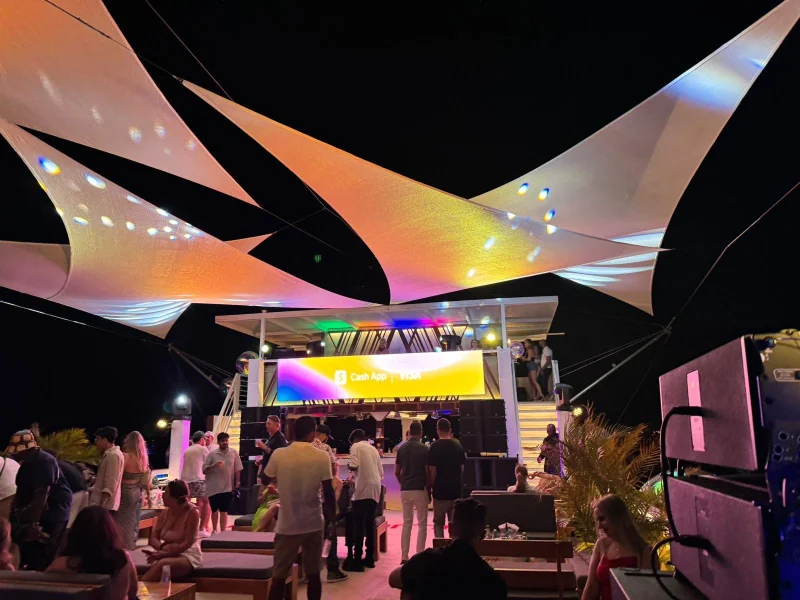
A standard product launch event checklist assumes a hotel ballroom or a warehouse with fixed power, fixed walls, and a loading dock out back. None of that is guaranteed on a yacht, and the gaps tend to show up on launch day, when a speaker trips a breaker or a banner starts pulling loose in the wind.
The fix is a product launch yacht checklist that plans for the boat itself: dockage and load-in, onboard power, secured signage, a run of show built around the cruise, and a covered backup plan for the reveal. We have organized it into four phases so your team can hand each one to the right owner.
In this article, we cover why a yacht launch needs its own plan, walk through each phase of the day, and list the costs worth confirming before you sign a charter agreement.
Why Does a Yacht Launch Need Its Own Checklist?
A yacht launch needs its own checklist because a boat's power, space, and conditions change from one vessel to the next and from one hour to the next. A ballroom publishes its specs, and they stay the same all day. On the water, the generator size, deck layout, wind, and tide all shape what you can set up and when.
That is why most generic launch plans do not transfer cleanly. They cover messaging, invitations, and press, which still apply, but they skip the questions a venue on the water raises. Treating the yacht as its own kind of venue from the first planning call saves your team from discovering those limits during setup.
With that difference in mind, the first phase starts well before anyone steps aboard.
Phase 1: Pre-Event Logistics
Phase 1 locks in the vessel, the marina, the true capacity, and the paperwork. These are the items with the longest lead times, so they belong at the top of the plan.
Here is what to confirm during this phase:
The vessel is reserved for the full window, including setup and teardown time.
The marina allows vendor load-in at your planned time and has space for AV carts and cases.
The guest capacity still works once staging, a demo table, and equipment cases take up deck space.
Your Certificate of Insurance, W-9, and any Net 30 terms are requested early from finance and procurement.
Every outside vendor knows the dock address, parking situation, and check-in contact.
Starting this phase six to eight weeks before the launch date usually leaves enough room for marina approvals, vendor scheduling, and internal sign-offs. Peak-season weekends can fill sooner, so starting earlier helps if your date is tied to a press cycle or a trade show.
Capacity deserves extra attention. A yacht rated for 60 guests might comfortably hold 45 once you add a stage area, a product display, and a bar station, so plan the headcount around the finished layout.
Corporate paperwork can also slow things down at larger companies, where several departments need to sign off. Our guide to corporate yacht charter paperwork explains what each document is and when to request it. Once the booking is secure, attention turns to how the launch will look and sound.
Phase 2: AV and Staging Setup
Phase 2 matches your AV, lighting, and branding plan to what the vessel can support. The goal is simple: nothing should draw more power than the boat can supply, and nothing should blow away.
Power and Connectivity
Ask the charter team for the generator's capacity and the location of every outlet, then share that with your AV vendor. Your vendor can compare it with the combined draw of speakers, screens, lighting, and any demo hardware, and bring a backup plan if the numbers run close.
If the launch includes a live demo that depends on the internet, test the onboard Wi-Fi or a cellular hotspot at the actual anchor spot. Signal can drop once the boat leaves the marina, so a downloaded version of the demo is a smart fallback.
Branding and Signage
Deck branding needs to be fastened, not freestanding. Retractable banners and easels that work indoors can tip over in a steady breeze, so ask your vendor for signage that ties or clamps to rails and confirm what the vessel allows you to attach.
Lightweight materials and weighted bases help, and so does keeping printed pieces out of spray zones near the bow. Need help sourcing AV and branding vendors who have worked on boats before? Our team can point you in the right direction. With the gear planned, you can build the schedule that ties it together.
Phase 3: Day-Of Run of Show
Phase 3 is a minute-by-minute schedule that accounts for boarding, travel, the reveal, and food service. A run of show on a yacht needs more buffer than one on land, because guests board in a single line and the boat has to move between points.
Here is a sample schedule for a four-hour afternoon launch, with times that are illustrative only:
1:00 p.m. AV and branding crews load in and set up dockside.
2:30 p.m. The team runs a full tech check, including the demo and microphones.
3:30 p.m. Guests begin boarding with welcome drinks.
4:00 p.m. The yacht departs for a scenic anchorage, about 30 minutes away.
4:45 p.m. The product reveal and demo take place at anchor.
5:15 p.m. Catering service begins once the presentation ends.
6:45 p.m. The yacht heads back and docks by 7:15 p.m.
Notice that catering starts after the reveal. When servers are moving through the crowd during a demo, attention drifts, so it helps to build food service around the presentation instead of the other way around.
A dockside rehearsal is the other piece that saves launches. Running the reveal once in calm conditions, with the actual equipment, catches problems while there is still time to fix them. Even with a solid schedule, the weather gets a vote.
Phase 4: Weather Contingency
Phase 4 is your backup plan for the reveal itself. A rained-out cocktail hour is an inconvenience, while a rained-out product reveal can undo weeks of buildup, so the presentation needs a covered or indoor option ready to go.
Ask the charter team where the presentation could move if a shower passes through, and whether that space can hold your screen and your audience. In Miami, the wetter months from roughly May through October often bring brief afternoon storms, so an earlier departure or a covered salon plan can protect the moment.
Your captain has the final say on whether conditions allow the boat to leave the dock or head to an anchorage. Agree ahead of time on what happens if the cruise portion is cut short, such as holding the reveal at the dock, so no one is improvising on the day.
Once the plan covers every phase, the last step before booking is making sure the quote covers everything too.
What Costs Should You Confirm Before Booking?
Before you book, confirm exactly what the charter quote includes, since inclusions vary by vessel and operator. Two quotes that look similar can differ by hundreds of dollars once add-ons appear.
Here are the line items to check on every quote:
The vessel and crew for the full charter window.
The hourly rate for overtime if the event runs long.
Any AV or power support offered by the operator.
Catering, bar service, and whether outside caterers are allowed.
Vendor access and setup time before guests arrive.
Taxes, fuel, dockage fees, and suggested gratuity where applicable.
Getting each item in writing gives your finance team a clear number to approve and prevents surprises on the final invoice.
Frequently Asked Questions
Can you run AV equipment for a presentation on a yacht?
Yes, you can run AV equipment on many yachts. Confirm the generator's capacity and outlet locations in advance, then have your AV vendor check that the total draw of screens, sound, and lighting stays within that limit.
What happens if it rains during a yacht product launch?
If it rains, the presentation usually moves to a covered deck or indoor salon. Plan that backup space before the event, confirm it can hold your screen and guests, and agree with the captain on timing changes if the cruise is shortened.
How much does a product launch yacht charter cost?
The cost depends on the vessel size, charter length, AV support, catering, and date. Share your guest count and setup needs with our team through the contact page, and we can put together a quote for your launch.
Do I need special permits for a product launch event on a yacht?
It depends on the location, the setup, and whether commercial activity or a public area is involved. Confirm your plan with the vessel operator, the marina, and any relevant local authority before you finalize vendors.
Ready to Build Your Launch Day With Book My Boat?
Bring your guest list, AV needs, and target date to the Book My Boat corporate events team, and we will help you work through this checklist with a vessel that fits the reveal you have in mind. You can explore our corporate charter options to get started.