

Miami to Key West by Yacht: Complete Route Guide
Mariam Revuelta
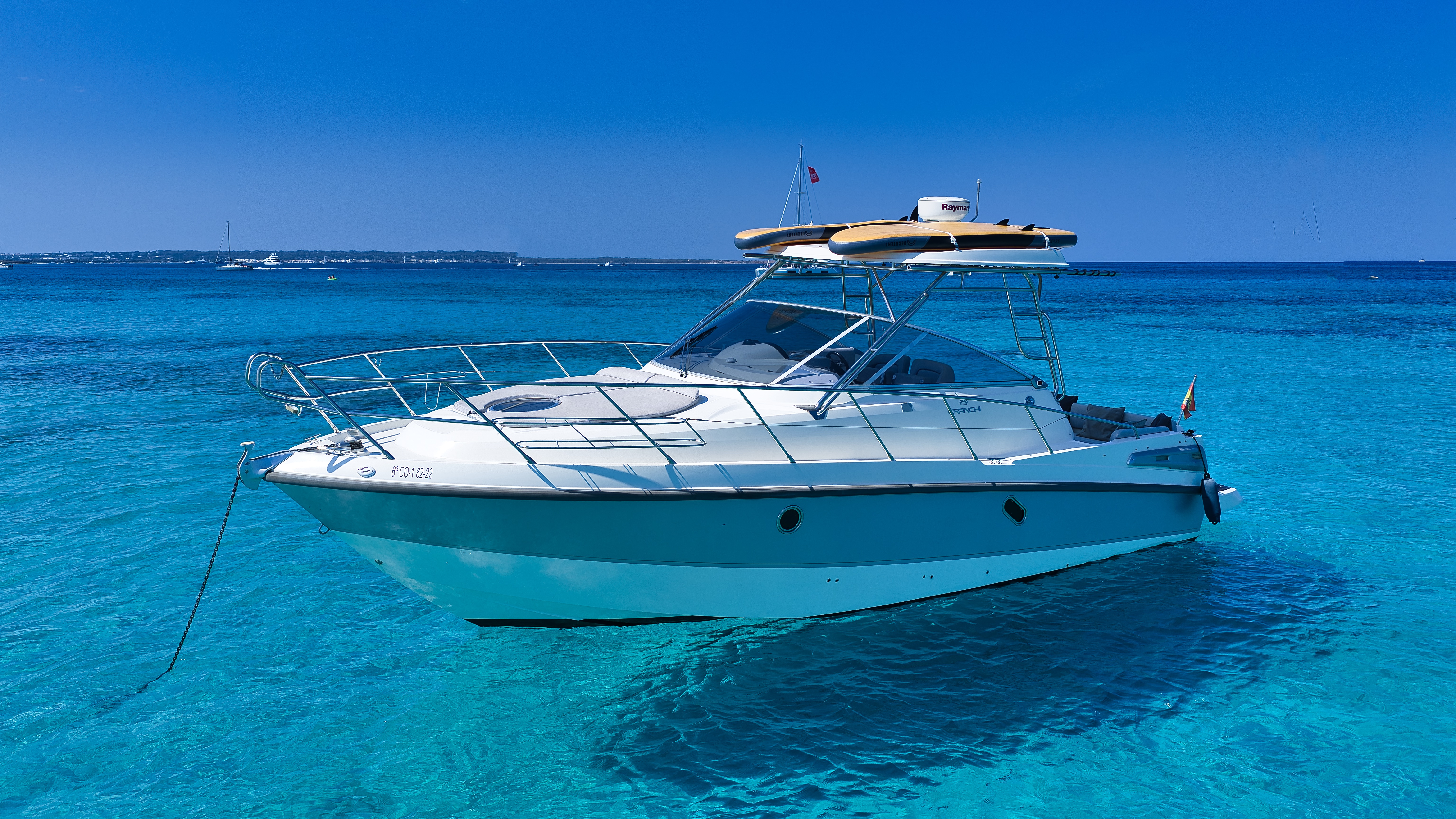
Miami to Key West by Yacht: Complete Route Guide
The drive from Miami to Key West takes about four hours. The yacht trip takes as long as you want it to, and you will genuinely want it to take a while.
Every mile between Biscayne Bay and Key West has something worth stopping for: sandbars, coral reefs, waterfront towns, protected anchorages, and stretches of water the Overseas Highway never touches. Some people cruise straight through to Key West. Others turn the whole route into a multi-day adventure and wonder why they did not do it sooner. Either way, the journey is as good as the destination.
In this guide, we’ll focus on the route, covering realistic routing options, stop recommendations, timing, and what to plan before you leave the dock.
Can You Go From Miami to Key West by Yacht?
Absolutely, and it is one of the most popular and scenic yacht routes in South Florida. The trip covers approximately 160 nautical miles of coastal and protected waters, passing through Biscayne Bay, the Upper Keys, the Middle Keys, the Lower Keys, and finally into Key West harbor.
What makes a Miami to Key West by yacht trip so rewarding is the access it provides. You can anchor off uninhabited islands, explore reef systems that most visitors never reach by road, and pull up to waterfront restaurants that simply do not have a parking lot. The road version of this trip is impressive, but the yacht version puts you in places the Overseas Highway does not go.
How Long Does It Take to Go From Miami to Key West by Yacht?
Travel time depends on your vessel's speed, sea conditions, and how many stops you make along the way. On a faster motor yacht running at 25 to 35 knots in calm conditions, you could cover the distance in roughly five to seven hours of continuous cruising. Slower vessels, sailboats, and itineraries with overnight stops will stretch the trip across several days.
Most people who do this route for the first time approach it as a multi-day trip, often spanning three to five days depending on their vessel and how much time they want to spend at each stop. There is no single standard duration. The pace is yours to set, and the stops along the way tend to be the parts people remember most.
A practical note worth keeping in mind: most captains prefer daylight travel throughout the Keys. Shallow areas, channel markers, and reef proximity all make navigating in darkness more demanding, so planning your daily runs to start and end in daylight is generally the safer and more enjoyable approach.
What Are the Two Main Routing Styles From Miami to Key West?
There are two common routing styles for this trip, and captains typically choose between them based on conditions on the day rather than a fixed preference.
The Atlantic side routes you along the ocean-facing edge of the Keys, with direct access to the reef system, open-water cruising, and some striking coastal scenery. It is more exposed to wind and sea state, particularly in the afternoons when conditions tend to build, so it works best in settled weather.
The bayside route runs through Florida Bay and the protected waters between the Keys and the mainland. Conditions are generally calmer, and you get access to flats, mangrove creeks, and a quieter side of the Keys that most visitors never see. Many itineraries use a combination of both, switching sides depending on what the weather is doing and which stops are on the agenda that day.
Key Stops Along the Route
These stops come up consistently across different itineraries and routing styles:
Biscayne Bay — a calm area to begin the trip, with the Miami skyline visible from the water and good conditions for paddleboarding and swimming
Nixon Sandbar off Key Biscayne — shallow, clear water and easy swimming, a natural early stop before heading into the Keys
Cape Florida Lighthouse — calm anchorage near the southern end of Key Biscayne, and one of the more scenic spots on the upper stretch of the route
John Pennekamp Coral Reef State Park, Key Largo — home to one of the few living coral reef systems in the continental U.S., with snorkeling and diving accessible directly from the park
Islamorada — widely regarded as having some of the best waterfront dining in the Upper Keys, and a natural overnight stop for multi-day trips
Bahia Honda State Park — beaches that are consistently rated among the best in Florida, with surrounding waters suitable for paddleboarding and reef access
Snipe Point, Lower Keys — a protected anchorage in a quieter, more natural setting, worth considering if your group prefers less-trafficked stops
Key West harbor — the natural endpoint of the route, and particularly memorable when you arrive in the late afternoon around sunset
Is It Better to Cruise Directly or Take Your Time Along the Route?
A direct run makes sense for groups focused primarily on Key West itself. If you have a specific event, a limited schedule, or a group that wants to spend most of their time in the city rather than on the water, cruising straight through is a reasonable approach.
Taking the route slowly tends to be the more memorable option, particularly for first-time visitors. The reef systems in the Upper and Middle Keys are genuinely worth stopping for, and the anchorages along the way offer a kind of experience that a direct run skips entirely. Most people who do the direct version first and the island-hop version second say they wish they had taken more time from the start.
What Is the Best Time of Year for a Miami to Key West Yacht Trip?
November through April is generally considered the more reliable window for this trip. Winds tend to be steadier, water clarity on the reef side is typically at its best, and the overall pace of the Keys feels unhurried even when visitor numbers are higher.
March through May is widely regarded as a particularly good window. Water temperatures are comfortable, the winter peak has generally eased, and afternoon thunderstorm activity has not yet picked up. Summer brings warm water and lighter boat traffic, but afternoon storms can develop quickly and affect an afternoon on the water. Hurricane season runs June through November, with August through October typically carrying the highest risk. Most experienced cruisers prefer to plan multi-day Keys trips outside this period, though conditions vary year to year and it is always worth checking current forecasts.
Is Miami to Key West by Yacht Worth It?
For most people, yes. The route gives you access to reef systems, anchorages, and coastal scenery that simply are not reachable by road. You move at your own pace, stop where the water looks good, and arrive in Key West having experienced the Keys rather than just driven through them.
The drive down the Overseas Highway is impressive. Pulling into Key West harbor by water after a few days of reef stops and island anchorages tends to feel like something else entirely
Ready to Plan Your Miami to Key West Yacht Adventure?
Start with the right vessel and keep your itinerary flexible. Lock in Key West as your endpoint, let the route breathe around it, take your time at the reef, and give yourself real time in Key West rather than arriving and leaving the same afternoon.
Browse available boats and yacht charters on Book My Boat and find the right vessel for your Florida Keys adventure.