

How to Plan a Surprise Engagement Cruise, Step by Step
Mariledy Guerra Quintana
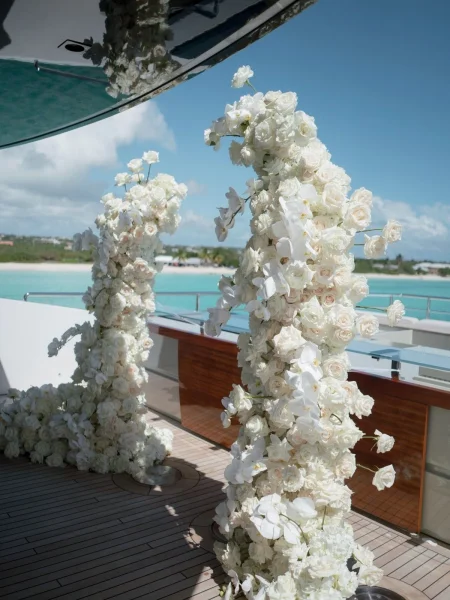
A proposal on the water feels unforgettable, but it also leaves less room for error than a surprise on land. Once the boat leaves the dock, your partner can't step away if something seems off, so the cover story, the timing and the crew all have to line up before you board.
The good part is that a private charter gives you control over every one of those pieces. If you know how to plan a surprise engagement cruise in the right order, the day can run smoothly while your partner has no idea what's coming until you're down on one knee.
In this article, we walk through six planning steps, a sample timeline for the day and the questions couples ask us most often. This guide also serves as the overview for two deeper reads, one on picking the best month and one on setting up a hidden photographer.
Step 1: Choose the Right Vessel
The right vessel is the one that fits the kind of moment you want, so decide first if the proposal will be just the two of you or a private moment followed by a group celebration. That single choice shapes the boat size, the budget and how much space you need on deck.
For a proposal with only the two of you, a smaller boat in the 35 to 50 foot range usually feels more personal. There are fewer crew members around, the deck feels quieter and the moment stays between you.
If family and friends will celebrate with you, the plan gets more layered. Some couples keep the proposal on a small boat and meet a larger group at the dock or at a second vessel afterward. Others book one larger yacht and hide the group below deck or on the flybridge until after the yes.
Here are the questions that help narrow down the right size:
How many people will be on board at the moment of the proposal?
Will a group join before, during or after the proposal?
Do you want a covered area or a cabin in case of rain?
Will a photographer need a discreet place to wait?
In many cases, a smaller, quieter boat serves the proposal itself best, even when a bigger celebration follows later. Once the vessel is settled, the next piece is the reason your partner thinks you're on the water at all.
Step 2: Build a Cover Story That Holds Up
A strong cover story is simple, believable and close to something you already do together. The less explaining it takes, the less likely your partner is to ask follow-up questions.
Good cover stories usually borrow from an existing pattern in your life. An anniversary outing, a friend's birthday charter or a work celebration are easy to believe because they sound ordinary.
Here are the cover stories that tend to work well:
You're celebrating your anniversary with a sunset boat ride.
A friend booked a birthday charter and invited you both.
Your company is hosting a small outing and partners are welcome.
You won a boat day through a work raffle or a gift card.
Avoid inventing something unusual, such as a surprise trip with no clear reason, since it tends to invite the exact questions you're trying to avoid. A plain, slightly boring cover story is usually the one that survives the whole day. It also helps to plan how your partner will dress, since a believable reason to "look nice" keeps them camera-ready without tipping them off.
We help build the cover story and the timeline together, so if you'd like a second opinion on yours, you can reach out to our team.
With the story in place, the people helping you on the day need to know the plan as well as you do.
Step 3: Brief the Crew and Any Vendors Together
Brief the captain, the crew and any vendors on the full plan before the day, ideally in one conversation, so nobody on board is guessing. When everyone hears the same timing and the same signal at once, the chance of a mixed message drops sharply.
Share the details that affect the crew's job:
The exact spot and time you'd like to propose
The signal you'll give when you're ready
Where the ring will be kept until the moment
Who on board knows the secret and who doesn't
What should happen right after the yes
If you've booked a photographer, include them in that same briefing. The photographer needs to know where they'll wait, how close they can get and when to start shooting. Our guide on hidden photographer setups covers positioning and camera distance in more detail.
When other guests are on board, be clear about who is in on the surprise. A single guest who doesn't know the plan can mention it casually and give it away, so confirm the list with your captain in advance.
Once the team is briefed, you can plan where on the water the moment happens.
Step 4: Plan the Route and the Moment
Choose the proposal spot first, then build the route backward so the boat arrives there at the right time without it seeming deliberate. A calm anchor point with a skyline or open-water backdrop usually works best.
Timing is where many plans come together or fall apart. Sunset is a popular choice because the light is soft and flattering, but the exact sunset time shifts by more than an hour across the year, so your route has to account for the date. Our guide to the best month for a yacht proposal walks through light, weather and crowds by month.
Ask your captain to build a relaxed route that includes a short cruise before the proposal. That way, arriving at the spot feels like part of the outing, and your partner doesn't sense the boat stopping for a reason.
Here is what to settle with your captain before the day:
The anchor point and a backup spot nearby
The target arrival time at that point
How long to cruise before arriving
Where the boat goes after the proposal
With the route set, the next thing to plan for is the one variable nobody controls.
Step 5: Have a Weather Backup
Every proposal cruise needs a weather backup, even on a day that looks clear in the forecast. In South Florida's wetter months, roughly May through October, short afternoon showers are common and often pass within 30 to 60 minutes.
That pattern is manageable if you plan for it. A boat with a covered deck or an indoor salon gives you a dry place to propose, and a flexible start time lets the captain shift the schedule around a passing storm.
Talk through the backup plan with your captain in advance, including how the route or timing would change if weather rolls in. Ask what the charter's weather policy says about rescheduling as well, so you know your options before the day arrives.
Once the moment itself is covered, turn your attention to the half hour right after it.
Step 6: Plan the Celebration After the Yes
Plan the first 30 minutes after the proposal as carefully as the proposal itself. Many surprise guides stop at the moment of the question, but the minutes that follow are often the ones couples remember most.
Here are the moments worth planning ahead:
A champagne or sparkling toast, set up by the crew and ready to pour
Some quiet time alone before anyone else joins you
A video call to family who couldn't be there
A hidden group coming up from below deck to celebrate
Extra photos while the light is still good
A toast setup that looks good on camera takes some thought, since glassware, light and timing all affect the shot. If you're proposing on New Year's Eve, our midnight champagne styling ideas carry over well to a proposal toast.
Here is how all six steps can fit into one afternoon.
What Might a Surprise Proposal Day Look Like?
A surprise proposal day on a private charter usually runs three to four hours, with time buffers built in around the moment itself. The timeline below is illustrative and based on a sunset proposal, so your captain will adjust it to the date, the route and the weather.
Time | What happens |
--- | --- |
4:00 p.m. | Board the boat under the cover story |
4:15 p.m. | Relaxed cruise with drinks and music |
5:15 p.m. | Captain heads toward the proposal spot |
5:45 p.m. | Anchor and settle in; photographer gets in position |
6:00 p.m. | You give the signal and propose |
6:05 p.m. | Toast, photos and quiet time together |
6:30 p.m. | Hidden guests join or family calls begin |
7:30 p.m. | Cruise back to the dock |
Leave room in the schedule for changes the captain may need to make. Weather, boat traffic and the exact sunset minute can all shift the timing slightly, so a 15 to 30 minute buffer around the proposal keeps the day from feeling rushed.
With the plan mapped out, here are the questions we hear most often.
Frequently Asked Questions
How do I plan a surprise proposal on a boat without giving it away?
Use a simple cover story tied to something you already do, such as an anniversary outing or a friend's charter. Then brief the captain, crew and any photographer on the timing and your signal ahead of time, so nobody on board says the wrong thing.
Should family or friends be on the boat for the proposal?
It depends on your partner. Many couples keep the proposal private and have family waiting at the dock or joining afterward. If your partner loves a big celebration, a hidden group below deck can work, as long as everyone knows the plan.
What if it rains on the day of the proposal cruise?
Choose a boat with a covered deck or indoor salon, and agree on a backup plan with your captain beforehand. Summer showers often pass within an hour, so a flexible start time can save the plan. Check the charter's rescheduling policy before booking.
How far in advance should I book a surprise engagement cruise?
Booking four to eight weeks ahead is a comfortable window for most dates. For holidays, peak-season weekends, or a specific sunset date, book earlier, since the best boats tend to fill first. That lead time also gives you room to plan the photographer and cover story.
Plan Your Proposal Quietly With Book My Boat
Book My Boat's team can help you choose the vessel, shape the cover story and brief the crew, all without your partner finding out. When you're ready to pick a date, you can browse proposal charters or start planning with us confidentially.
For the timing and photography details, our guides on the best month for a yacht proposal and hidden photographer setups are the best next reads.