

Haulover Sandbar Guide: What to Know Before You Go
Mariam Revuelta
Haulover Sandbar Guide: What to Know Before You Go
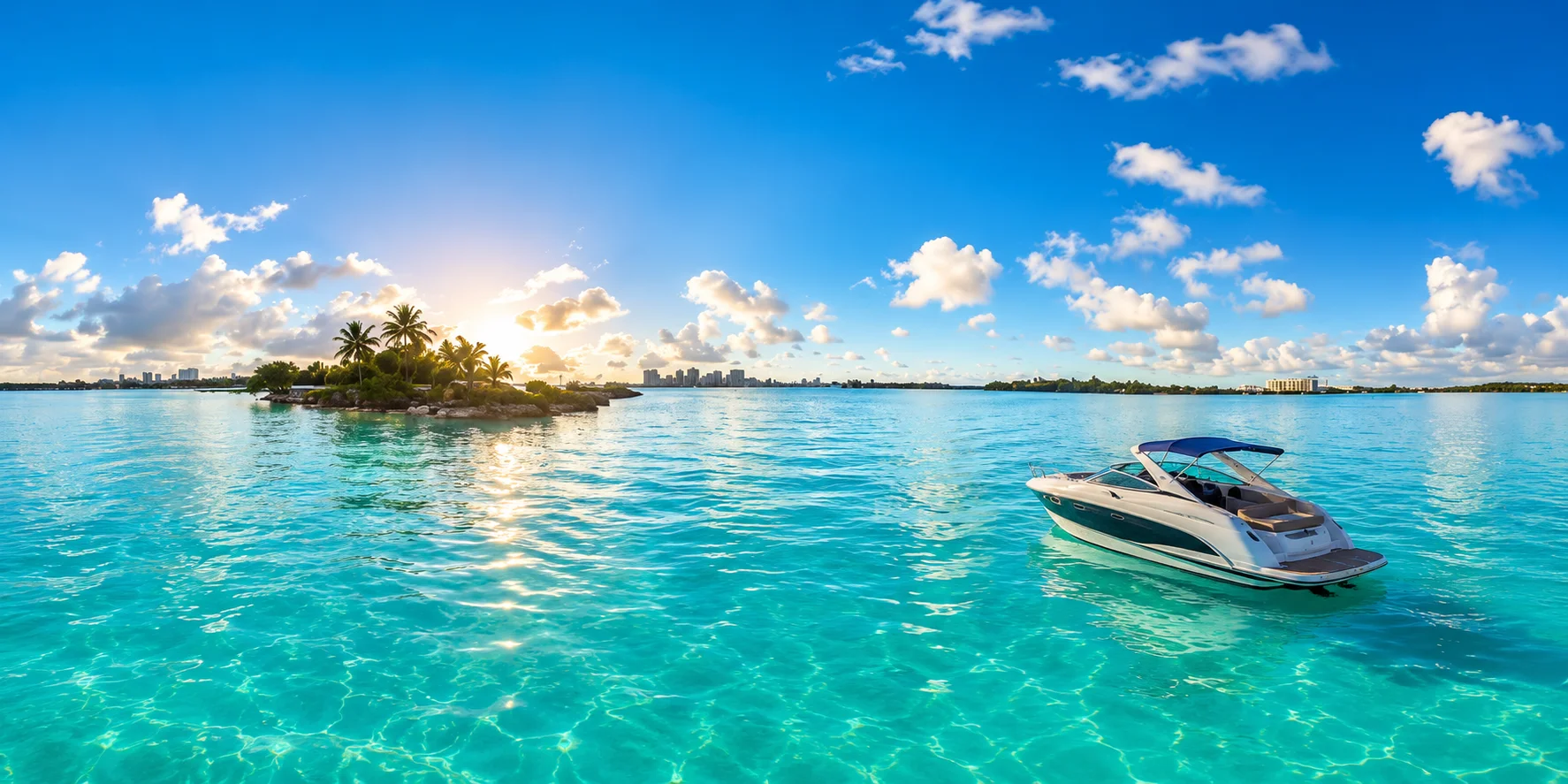
Haulover Sandbar is one of Miami's most visited boating destinations, and for all the right reasons. The water is crystal clear, waist-deep in most spots, and on weekends it fills up with boats rafted side by side, floating vendors, music, and groups of people making the most of Biscayne Bay.
That is the weekend version. Weekdays run completely differently: quieter water, easier anchoring, and a pace that suits families and couples just as well as it suits anyone wanting a relaxed afternoon on the boat. Both experiences are worth having, but they require slightly different planning.
Tides, traffic, anchoring, and weather all shape how a day at the sandbar actually goes. In this guide, we’ll walk you through everything before you head out.
What is Haulover Sandbar?
Haulover Sandbar is a natural shallow sandbar near Baker's Haulover Inlet in North Miami, sitting within the calm waters of Biscayne Bay. Boaters, yacht charters, and first-time visitors come here for its clear, shallow water that makes swimming, wading, and floating genuinely easy.
Because it is a natural formation rather than a fixed structure, the sandbar shifts slightly over time as tides and currents reshape the seafloor. The general location stays consistent, but water depth and exposed areas can vary from visit to visit.
What Time Does Haulover Sandbar Get Busy?
Weekend peak crowds land between 11:00 AM and 2:00 PM. Holiday weekends push that earlier and denser. Arriving by 9:30 or 10:00 AM gives you a real head start on anchoring before things get tight.
Weekday mornings are the quietest window of the week. A Tuesday or Wednesday visit will feel like a completely different place compared to a Saturday afternoon. Seasonal patterns follow the same logic: spring and summer bring the highest numbers overall, while fall and winter weekdays can feel almost private.
When is the Best Time to Visit Haulover Sandbar?
Mid-to-high tide is the sweet spot. Water clarity improves, depth becomes more consistent across the sandbar, and navigation into the area is easier for most vessels.
Low tide is the one to plan around, as it exposes more of the sandbar, reduces depth in areas that are normally swimmable, and increases grounding risk for deeper-draft boats. It is not a reason to stay home, but it is a reason to check the tide chart before you commit to a departure time.
Spring through early fall offers the most reliable boating weather. Warm water, clear mornings, and conditions that stay comfortable for swimming and floating throughout the day.
How Deep is Haulover Sandbar?
Typically 1 to 4 feet. Most adults can stand, wade, and float comfortably across the majority of the area without needing to be strong swimmers. That combination of shallow depth and clear water is exactly why the sandbar draws the crowd it does.
Higher tide raises water levels and gives the sandbar a more submerged feel. Low tide can expose sections that are normally underwater and leave other spots barely ankle-deep. Do try to plan your arrival around mid-to-high tide to have the best swimming conditions.
What Should You Bring to Haulover Sandbar?
There is no shade, no trash service, and no restroom facilities on the sandbar itself. Everything you need for the day comes with you on the boat, so packing thoughtfully makes a real difference.
Here is what you should bring:
Reef-safe sunscreen, and bring more than you think you need
Enough drinking water for every person on board
Towels and a dry bag for valuables
Hats and polarized sunglasses
Water shoes for getting in and out of the water
Floaties, pool noodles, or inflatable mats
A waterproof phone case
Snacks and a cooler with ice
Trash bags to pack out everything you bring in
Use marina facilities before you depart. Once you are anchored at the sandbar, there are no facilities within easy reach.
What Not to Bring on a Boat?
Leave anything that cannot handle salt water, splashing, or sustained sun exposure at home. Unprotected electronics, glass containers if your charter discourages them, and hard-soled shoes that scuff or mark the deck are all better left behind.
What Not to Bring to the Beach?
Forego single-use plastics that are easy to lose overboard. Anything light enough to blow away or float off in open water creates real problems for marine life. Reusable containers, sealed trash bags, and the discipline to carry everything back out are the standard here.
What Should You Wear to Haulover Sandbar?
Swimwear is the obvious starting point. Pair it with a lightweight coverup for time on the boat before and after anchoring, and sandals or water shoes that can handle getting wet more than once.
A hat and sunglasses are not optional accessories out here. Sun reflects off the water and compounds exposure significantly over the course of a full day. Quick-dry fabrics help. Also consider long-sleeve rash guards to spend extended time in direct sun, especially on a full-day charter.
What to Wear While Boating?
On the boat, prioritize comfort and practicality. Layers that come off easily as the day warms up work well, but you want to avoid anything too loose that could catch on equipment or create a hazard on deck. Non-slip footwear is worth wearing until you reach the sandbar and are ready to get in the water.
What Outfit Should You Bring to the Beach?
Bring a dry change of clothes for the return trip. After a full day in salt water and sun, something fresh and dry to change into makes the ride back noticeably more comfortable. It is a small thing that most first-timers wish they had thought of.
Can I Wear Clothes on Haulover Beach?
Haulover Beach has a clothing-optional section, but the sandbar is a boating and swimming area, not a beach. Standard swimwear is appropriate and by far the most common choice among visitors arriving by boat.
Can You Swim to Haulover Sandbar?
Reaching Haulover Sandbar by swimming from shore is not a safe option. The sandbar sits in an active boating corridor, currents near Haulover Inlet are strong and unpredictable depending on tide and wind, and boat traffic through this stretch is constant, particularly on weekends.
Access is by boat. For first-time visitors unfamiliar with inlet navigation, booking a captained charter removes all the guesswork. Your captain handles the inlet crossing and anchoring while your group focuses on the experience.
Is It Safe to Swim Around Haulover Sandbar?
Swimming at Haulover Sandbar is generally safe as long as you stay aware of what is around you. The main priority is keeping clear of the marked boating channel where vessels are actively moving. Stay close to your anchored boat, keep children in proper flotation gear at all times, and watch the current.
Currents near the inlet can shift without warning. Stingrays rest on the sandy bottom in shallow water from time to time. The shuffle step, dragging your feet rather than lifting them as you walk, gives them a chance to move before contact.
Is It Safe to Swim to a Sandbar?
At Haulover, no. Boat traffic and inlet currents make swimming from shore genuinely dangerous. Arriving by boat and swimming from your anchored position is the right approach.
Do Sharks Swim Around Sandbars?
Sharks pass through Biscayne Bay. Sandbar sharks are among the species occasionally seen in shallow coastal waters, but sightings at Haulover are uncommon and unprovoked attacks in this area are extremely rare. Avoiding swimming at dawn, dusk, or in murky water keeps already minimal risk lower.
Are Sandbar Sharks Aggressive to Humans?
Sandbar sharks are not considered aggressive toward people. They are common along South Florida's coast and are classified as low risk for unprovoked interactions. Calm awareness is all that is needed.
Is There a Bathroom at Haulover Sandbar?
There are no restrooms on the sandbar, so plan accordingly before you leave the marina. Haulover Park Marina has facilities available for boaters staging before heading out, and using them before you depart is the practical solution.
If you are on a larger yacht or charter vessel, confirm whether the boat has an onboard head before booking. Many larger vessels do, and it makes a meaningful difference on a longer trip.
How Can You Book a Boat or Yacht to Haulover Sandbar?
A captained charter is the most practical choice for first-time visitors. Your captain navigates Haulover Inlet, handles anchoring, and manages the boat so your group can focus entirely on the day.
Half-day charters of around 4 hours work well for a straightforward sandbar visit. Full-day 8-hour charters give you room to add a second stop, such as Nixon Sandbar or Flagler Monument Island, without feeling rushed. Confirm the legal passenger capacity before booking, and check what is included regarding fuel, equipment, and crew.
Book My Boat lets you browse available vessels in Miami, compare by size and price, and book directly. A practical starting point for anyone putting together a Haulover Sandbar day.
Ready to Plan Your Haulover Sandbar Day?
The details that make or break a sandbar day are all manageable with a bit of planning. Check the tide chart. Arrive early on weekends. Anchor on sand, stay clear of the channel, and bring everything your group needs because nothing is available once you are out there.
Respect the environment. Anchor only on sand, pack your trash out, and keep seagrass areas clear. Haulover stays worth visiting because people who use it tend to look after it.
Ready to book? Browse available boats and yacht charters in Miami on Book My Boat and find the right vessel for your Haulover Sandbar day.