

Es Vedrà by Boat Complete Guide for Ibiza Visitors
Mariledy Guerra Quintana
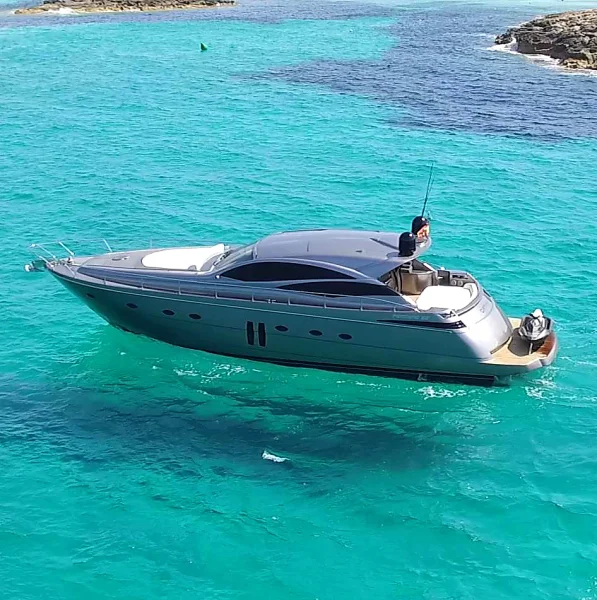
Es Vedrà is one of those Ibiza landmarks that looks different with every change in light.
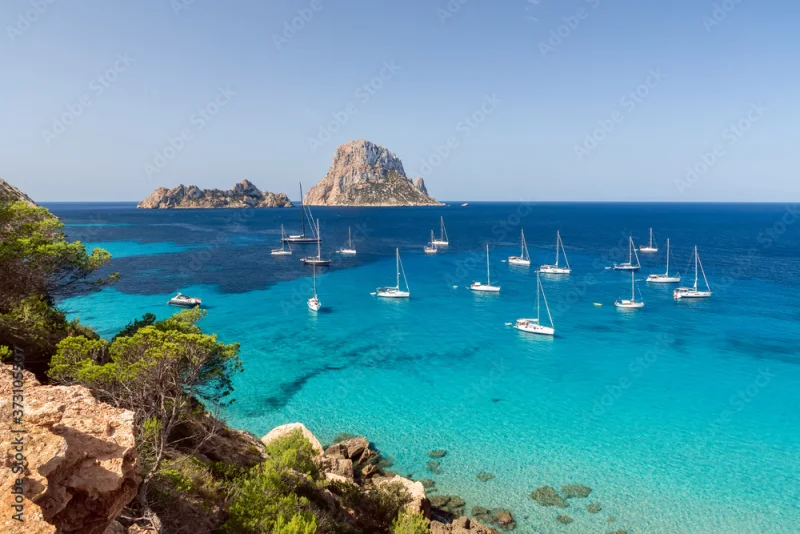
From shore, the limestone islet fills the horizon beyond Cala d’Hort. From a boat, you can see its scale, the smaller Es Vedranell beside it, and the southwest coastline that frames the approach.
Seeing Es Vedrà by boat is a viewing experience rather than a landing trip. The islet is protected, and charter routes are shaped by navigation rules, sea conditions, and the captain’s judgment. Plan the day around the journey and nearby coves instead of expecting to step ashore.
What is Es Vedrà?
Es Vedrà is a steep, uninhabited rocky islet off Ibiza’s southwest coast. It rises prominently from the water near Cala d’Hort and forms part of a protected natural setting with Es Vedranell and nearby smaller islets.
The rock is also surrounded by stories involving magnetic forces, mermaids, and ancient civilizations. Those tales are part of local folklore, though, and not established facts. The reason to visit is much simpler: Es Vedrà is a dramatic coastal landmark, and the open-water view reveals angles that cannot be seen from the popular land viewpoints.
Can You Visit Es Vedrà by Boat?
Yes. Private and shared excursions can cruise toward Es Vedrà and view it from the water. “Visit” does not mean boats may land on the islet or approach it without limits. The captain must respect protected zones, safe distances, traffic, wind, and swell.
An Es Vedrà boat trip often includes more than a slow pass around the rock. Depending on the departure point and charter length, the itinerary can add Cala d’Hort, Cala Comte, Cala Bassa, Cala Vedella, or another sheltered bay. That combination gives the group time to swim and relax rather than spending the entire booking underway.
Where Do Es Vedrà Boat Trips Depart From?
Western and southwestern departure points are naturally closer to Es Vedrà, while boats from Ibiza Town or Marina Botafoch may include a longer coastal run. San Antonio is also used for west-coast routes, though the exact itinerary depends on the vessel.
The departure point matters more than many first-time renters expect. Two charters advertised for the same number of hours may offer very different usable time at the destination. Before booking, ask how long the boat normally spends in transit and what stops are realistic from its base.
What Can You See on an Es Vedrà Yacht Route?
Cala d’Hort
Cala d’Hort faces Es Vedrà and provides the classic landward view of the rock. From the water, the bay may serve as a scenic pass or a nearby stop when conditions suit. Its popularity can bring traffic during peak periods, so the skipper may recommend a less crowded alternative for swimming.
Cala Comte
Cala Comte, also called Cala Conta, sits farther north on the west coast. It is known for clear water, small offshore islets, and west-facing views. It pairs particularly well with an afternoon route that ends around sunset.
Cala Bassa
Cala Bassa offers a broad bay and an established beach scene. It can suit groups that want a swim followed by time near shore, but access and anchoring depend on traffic and seabed restrictions. Confirm any lunch or beach-club plans in advance.
Cala Vedella
Cala Vedella is a curved bay surrounded by hills. Its more enclosed setting contrasts with the exposed water around Es Vedrà. Depending on wind direction, the captain may use it or a similar bay as the calmer part of the itinerary.
Es Vedranell
Es Vedranell is the smaller rocky formation beside Es Vedrà. It becomes much easier to distinguish from the water, particularly as the boat changes angle. Together, the two islets create the profile most people recognize in photographs.
Is Es Vedrà Better During the Day or at Sunset?
Daylight and sunset offer different advantages. A daytime trip leaves more time for swimming and shows the color of the water and cliffs clearly. It also gives photographers stronger light on parts of the coast, depending on the direction of the sun.
A sunset charter makes the rock a silhouette and can turn the return journey into the main event. The tradeoff is a tighter activity window. Sunset time changes through the season, and an evening breeze or swell can alter the route. The operator should plan departure time backward from the actual sunset and the boat’s starting point.
Choose daytime if your priority is a longer swim-focused charter. Choose late afternoon if your group mainly wants the landmark, softer light, and a shorter social experience. For more options, compare the best sunset boat trips in Ibiza.
Can You Swim Near Es Vedrà?
Swimming may be possible in the wider area, but it is not guaranteed directly beside the islet. The exposed water can be affected by current, wind, swell, and boat traffic. A responsible captain will choose a safe location rather than stopping solely for the closest photo.
Nearby coves often provide a more comfortable swim. Listen to the crew, use flotation equipment if offered, and stay within the designated area. Guests who are not confident swimmers should tell the captain before entering the water.
How Long Should an Es Vedrà Boat Trip Be?
A half-day can be enough when the vessel starts on the west or southwest coast and the goal is to see the landmark plus one swim stop. A full day gives more room for several coves, a restaurant lunch, or an unhurried pace.
Departure location, cruising speed, and weather make a blanket answer unreliable. Ask the operator to describe a normal route for that exact boat. If the itinerary sounds packed on paper, remove a stop. Three places enjoyed properly usually beat six seen from a moving deck.
What Should You Bring on an Es Vedrà Trip?
Bring sunscreen, swimwear, sunglasses, a hat, and a light layer for the return. A waterproof pouch helps protect your phone, while a strap makes sunglasses less likely to disappear during a windy crossing. Check whether towels, drinks, snacks, and snorkeling gear are included before adding them to your bag.
Wear practical clothing that can handle spray and avoid loose decorations or hats that may blow into the sea. If motion sickness is a concern, speak with a medical professional about suitable medication and take it according to the instructions rather than waiting until the boat is underway.
How Do You Choose a Boat for Es Vedrà?
Group size is the first filter, but capacity should not be the only one. Look for adequate seating, shade, a swim ladder or platform, and a bathroom if the charter is longer. A motor yacht can cover distance quickly, while a sailing yacht may suit travelers who value the voyage and do not need a packed route.
Review the listing for skipper fees, fuel, food and drink policies, and water equipment. Ask where the boat is based and whether Es Vedrà is a standard or weather-dependent route. Our Ibiza boat rental guide explains the broader booking process for first-time visitors.
How Should Visitors Protect the Area?
The southwest coast is environmentally sensitive. Posidonia seagrass must be protected from anchors and chains, and the islets themselves are not a backdrop for unauthorized access. The Balearic Posidonia Atlas provides mapping and education about these marine habitats.
Guests can help by keeping waste aboard, avoiding glitter and confetti, using reusable drinkware, and following every crew instruction. Do not feed wildlife or remove anything from the water. Responsible behavior keeps a popular route worth visiting.
See Es Vedrà From the Water With Book My Boat
Book My Boat lets you compare Ibiza charters based on capacity, features, duration, and departure area. Choose a vessel that gives your group enough travel time, then confirm the Es Vedrà route and its likely stops with the operator. With a flexible plan and a capable captain, Es Vedrà by boat can be the centerpiece of the day without turning the schedule into a checklist.