

Miami Boat Rental With a Captain: Cost and What to Expect
Mariam Revuelta
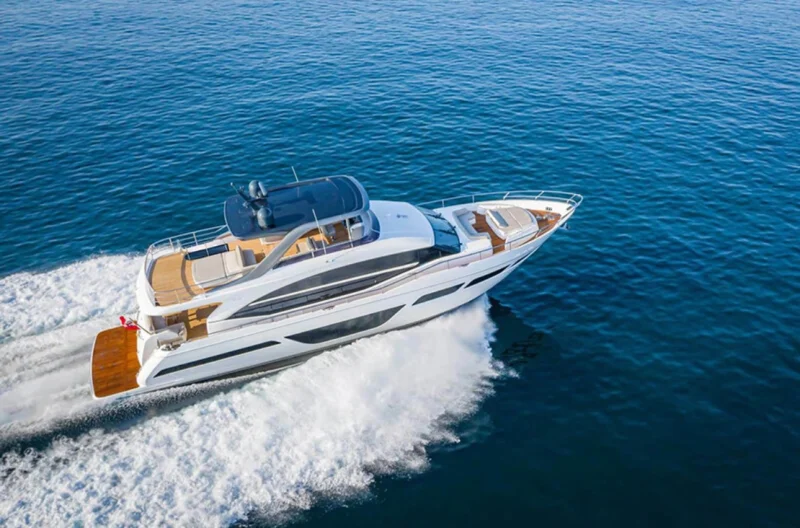
Here's the good news up front: almost every boat you can book through Book My Boat already comes with a licensed captain, and the cost sits inside the hourly rate. You're not hiring one separately, and you don't need a boating license of your own. This guide covers what your captain handles, what the service costs, and what to confirm before you pay.
Key Takeaways
Crewed is the default. The captain's cost is already built into the hourly rate.
Ask which license the captain holds for that boat. It tells you the legal guest limit.
You pick the route and the music. The captain decides if conditions allow it.
Tipping is expected but never automatic, and it's based on the base rate.
You can often take the wheel in open water, but never for docking or the inlet.
Is a Captain Included in the Price?
Yes, on crewed charters, which covers almost every yacht listing. The rate already includes the captain, the crew, fuel, and dock fees. Small self-drive boats are the one exception. Adding a captain to one of those costs about $40 to $60 an hour on top of the boat rate.
How Much Does a Miami Boat Rental With a Captain Cost?
Smaller boats start around $145 to $250 an hour. Mid-size yachts run $250 to $500. Larger yachts sit at $500 to $1,500 and climb from there. Every one of those numbers already includes the captain.
Watch the minimum booking time before you do the math. Almost every listing needs a three or four hour booking, so the hourly rate isn't the smallest check you'll write. A $180 boat with a four-hour minimum comes to $720 before anything else.
Smaller Boats and Casual Cruises
This is the easy entry point, and it works well for a couple or a group of six. Seacrecy, a 40 ft boat, starts at $145 an hour. Doble K at 50 ft starts at $180. Four hours puts you between $580 and $720 on base rate.
Check the listing for a bathroom instead of assuming one is on board. Some boats in this size have an enclosed bathroom, and some only have open deck. On a four-hour trip with a full group, that detail matters more than the price gap does.
If your group is smaller still, couples and parties of two to six can pick from an even wider range on small boat charters.
Mid-Size Boats and Yachts
Step up a size, and the day changes character. Escape II and Wine Down, both 60 ft, list at $250 and $285 an hour. Odisea at 55 ft sits at $390. You're paying for interior space, a second bathroom on many boats, and a flybridge with real shade.
The captain is still built into those numbers. What can sit outside them is fuel on a long run, any extra equipment, and tax at checkout. Compare the finished quote instead of the starting rate.
Large Yachts and Premium Crewed Charters
Above 70 ft, the crew grows and the rate follows. A 75 ft charter runs about $1,000 an hour with a captain, two mates, and a stewardess. A 90-footer is near $1,400 with a full crew and the option to add a chef. An 88 ft Ferretti Custom Line lists at $2,700.
Those crew members are paid from the charter rate, which is why the jump between tiers is steeper than the extra length alone would suggest. Planning for more than 13 guests? Large group charters cover the inspected vessels built for that headcount. For the full breakdown by boat size, our yacht rental cost guide walks through every tier.
What the Captain Actually Handles
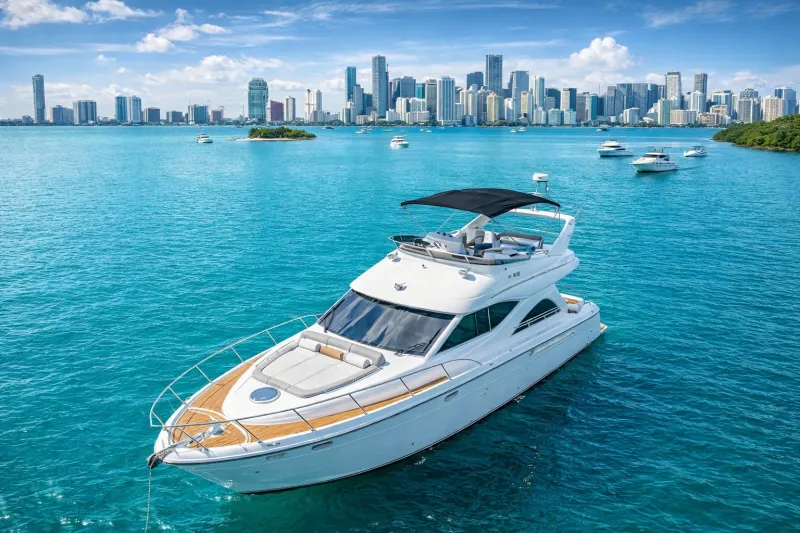
A captain does a lot more than steer. Here's the full list.
1. Route planning. Picks a course around wind, tide, and traffic before you leave the dock.
2. Departure and docking. Handles the two hardest parts of the day without you noticing.
3. Anchoring. Sets and holds the boat at a sandbar so it stays put while you swim.
4. Safety briefing. Covers life jacket locations, guest count, and the rules for the swim platform.
5. Fuel management. Watches fuel use against your route so the trip finishes on plan.
6. Radio and weather. Monitors conditions and other boat traffic for the whole trip.
7. The swim call. Decides when the water is safe to get into, and when it isn't.
What You Decide and What the Captain Decides
You own the day. The route, the stops, the playlist, the timing, and the food are all yours to choose. Tell the captain what you want, and they'll build the trip around it.
What the captain owns is whether conditions allow it. If the wind picks up, a sandbar stop might get moved or dropped. That's a safety call, not a preference, and it's the same rule that lets everyone else relax.
How to Choose the Right Captained Boat for Your Group
Start with your guest count, then work through what the day actually needs. Two boats with the same capacity can feel completely different once twelve people are aboard. Browse the full fleet to compare options side by side.
Guest Count and Boat Capacity
Your headcount narrows the fleet before anything else does. Use the approved passenger capacity shown on the specific listing, not a general rule you read somewhere. Capacity is set per boat and per license, so it changes from one listing to the next. Planning a bigger event? Large group charters cover boats built for 20 guests and up.
Bathrooms and Interior Space
This is the detail people forget, then think about all afternoon. Check whether the boat has an enclosed bathroom, a cabin, air conditioning, or just open deck. Past the three-hour mark, a second bathroom beats an extra ten feet of length.
Activities and Onboard Amenities
Decide what the day looks like first. A sandbar swim, a skyline loop, a sunset run, and a watersports afternoon all suit different boats. Then check what equipment the listing actually includes, since paddleboards and floats come standard on some boats and cost extra on others.
Captain Credentials: What the License Tiers Mean
Two Coast Guard licenses cover almost every charter. The OUPV, known as the six-pack, allows a captain to carry up to six paying passengers on an uninspected vessel. A Master license covers more passengers and is required to run inspected passenger vessels.
The boat decides which license is needed, not the captain's preference. Ask one question when you book: which license does the captain hold for this vessel. The answer tells you the real guest limit before you invite anyone. The U.S. Coast Guard publishes the official license requirements if you want the full detail.
Crewed vs Bareboat: The Real Comparison
Crewed charter | Bareboat rental | |
|---|---|---|
License you need | None | Boater safety card, and more for larger boats |
Typical cost | $145 to $2,700+ per hour, captain included | Boat rate plus $40 to $60 per hour if you add a captain |
Guest count | Up to 13 on most listings, more on inspected vessels | Usually 6 to 12 |
Who is liable | Operator carries hull and liability cover | More sits with you |
Fuel | Included on a standard route | Roughly $60 to $120 for a 3 to 4 hour trip |
If you damage the boat | Damage deposit terms apply | Damage deposit terms apply, and you were driving |
Bareboat rentals are rare above the small-boat class, and for good reason. Insurance and Coast Guard rules both get stricter as the boat gets bigger.
Can You Drive the Boat Yourself?
Often, yes. Ask, and many captains will hand you the wheel in open water for a while. It's one of the better twenty minutes of the day.
What never gets handed over is docking, the inlet, and anything in traffic. Those are the moments where a mistake gets expensive, and the insurance behind the charter is written around a licensed operator being at the wheel.
What a Captain Costs
On crewed listings, nothing extra. The rate you see already pays the captain, and that's true from a 40-footer up to a 116-footer.
On self-drive small boats, adding a captain runs roughly $40 to $60 an hour. Larger yachts need more than one crew member, and that cost sits inside the hourly figure instead of showing up as its own line. Compare the delivered totals and the picture stays honest. Our yacht rental cost guide has the full breakdown.
How Rental Duration Affects Captain Costs
Most listings run a three or four hour minimum, and the captain is part of the hourly rate the whole time. So duration multiplies the whole package instead of adding a separate crew fee.
On a $250 an hour 60 ft boat, three hours comes to $750 on base rate, four hours is $1,000, and five is $1,250. Those are straight multiplications of the starting rate, not quoted packages. Run your date through the booking form for the real number.
Tipping the Captain and Crew
Tipping is customary and never added automatically to your booking. Guests usually tip at the end of the trip, based on the base rate rather than the full invoice with extras.
Bring it in cash and hand it to the captain, who splits it with any deckhand or stewardess aboard. On a boat with a full crew, that split is worth knowing before you decide the amount.
Do You Need a Boating License?
Not for a crewed charter. The captain holds the license, and you're a guest.
Self-drive is different. Florida requires a boater education card for anyone born on or after January 1, 1988 who operates a boat with 10 horsepower or more. Rules differ by state, so check locally if you're boating somewhere else. Florida FWC publishes the current requirement.
How Pickup Location Affects Your Charter Day
Boats leave from marinas all over the area, and the closest-looking listing in search isn't always the closest dock. Departure points include Miami Beach Marina, Miamarina at Bayside, Haulover Park, Dinner Key, Crandon Park, Sea Isle Marina, and the river docks.
Weigh location alongside price and features, not after them. Twenty minutes of traffic each way changes the shape of a four-hour booking.
Departure Marina
Confirm the exact marina and dock before you pay, then check the drive from where you're staying. Parking and rideshare access vary a lot between the beach marinas and the river docks. Your exact slip is confirmed after booking.
Arrival and Boarding Time
Follow the arrival time in your booking instructions instead of guessing. Getting there early gives you time to park, find the dock, and load coolers without rushing. Check your confirmation for when the paid period starts, since that's set in the booking terms, not by habit.
Who Is Liable if Something Goes Wrong?
The operator carries hull and liability insurance on the boat, and every crew member is licensed and background-checked. A crewed charter puts a professional at the wheel, which moves a real share of the risk off you.
Guest-caused damage is the part that stays yours, and a damage deposit covers it where one applies. Read that clause on your listing before you pay. BoatUS Foundation publishes plain guidance on how rental and charter liability works.
What to Confirm Before You Pay
Run through this list before you hit book. It takes two minutes and prevents almost every unpleasant surprise.
Exact Boat and Current Photos
Confirm the boat's name or model, and check that the booking agreement names the boat you reserved. Ask for recent photos instead of renders. If a substitution ever becomes necessary, the listing terms explain how it's handled, so read that before paying.
Full Price and Included Services
Work through to the confirmation step and read the whole total. Look for captain, crew, fuel, tax, gratuity, dockage, water toys, and any booking fee. Comparing finished totals instead of headline rates is how two similar boats stop looking identical.
Cancellation and Weather Policy
Know what happens if the forecast turns. Light rain doesn't cancel a trip. Storms, high winds, and small craft advisories trigger a reschedule or a refund under the listing's policy. Terms are set per listing, not platform-wide, so read yours.
How to Work With Your Captain on the Day
Send your plan the day before: guest count, rough timing, whether you want a sandbar stop, and anything you'd rather avoid. A captain who knows the plan can build a better route around the wind.
Then ask three things at boarding: where are we heading first, when's the best window to swim, and where do you want us while you dock. Mention motion sickness or non-swimmers early, not once you're at the sandbar.
What to Bring on a Captained Boat Rental
Photo ID where the listing asks for it, and cash for the crew tip.
Sun protection: a hat that stays on, sunglasses with a strap, and plenty of sunscreen.
Soft-soled shoes, or none at all. Hard soles and heels mark up the deck.
Swimwear and a towel, unless the listing says towels are provided.
Any medication you need, including something for motion sickness.
Food and drinks. Allowed on most boats for guests 21 and over, with glass restricted.
Check the individual listing for its own rules on alcohol, coolers, footwear, and outside food. They vary by operator, and the listing is where they're written down.
Frequently Asked Questions
Do you need a captain to rent a boat?
On yacht charters, yes, and the captain is already in the rate. Small self-drive boats are the exception, and you can add a captain to those for about $40 to $60 an hour. Self-drive also needs a Florida boater education card if you were born on or after January 1, 1988.
How much does a boat captain cost?
Nothing extra on a crewed charter, since the rate covers the captain, crew, fuel, and dock fees. On a self-drive rental, budget $40 to $60 an hour. Over a four-hour booking, that's roughly $160 to $240 on top of the boat.
Do you tip the boat captain?
It's customary and never automatic. Guests usually tip at the end of the trip, based on the base rate rather than the full invoice. Cash handed to the captain is the norm, and the captain splits it with any deckhand or stewardess aboard.
Can I drive the boat?
Usually yes, in open water and at the captain's discretion. Just ask. What stays with the captain is docking, the inlet, and any moment with traffic around, since the insurance behind the charter assumes a licensed operator is at the wheel for those.
What license does a charter captain need?
An OUPV, or six-pack, license covers up to six paying passengers on an uninspected vessel. A Master license covers larger passenger counts and inspected vessels. The boat determines which one's required, so ask which license applies to the vessel you're booking.
What happens if the weather turns?
Light rain doesn't cancel a trip. Storms, high winds, and small craft advisories do, and the captain makes that call for safety reasons. You can reschedule or get a refund under the listing's policy, so check those terms on your specific boat.
How far in advance should I book a captained boat?
Four to six weeks for weekends, major events, and holidays, and six to eight weeks for larger groups. Peak season runs December through April and fills first. Book earlier if you need a specific size, a particular marina, a bathroom on board, or a set time slot.
How many hours should I rent a boat for?
Three to four hours suits a skyline loop with one swim stop, and it matches the common minimum. Six hours gives you a sandbar, lunch, and a sunset without watching the clock. Pick the length based on your route and stops, not just the hourly rate.
Book a Captained Charter
Every listing comes with a licensed, background-checked captain and a crew that knows the water, so the only thing left to decide is where to go. Search by date and guest count to find the boat that fits your day. Still have questions? Contact our team and we’ll help you figure out the right boat.